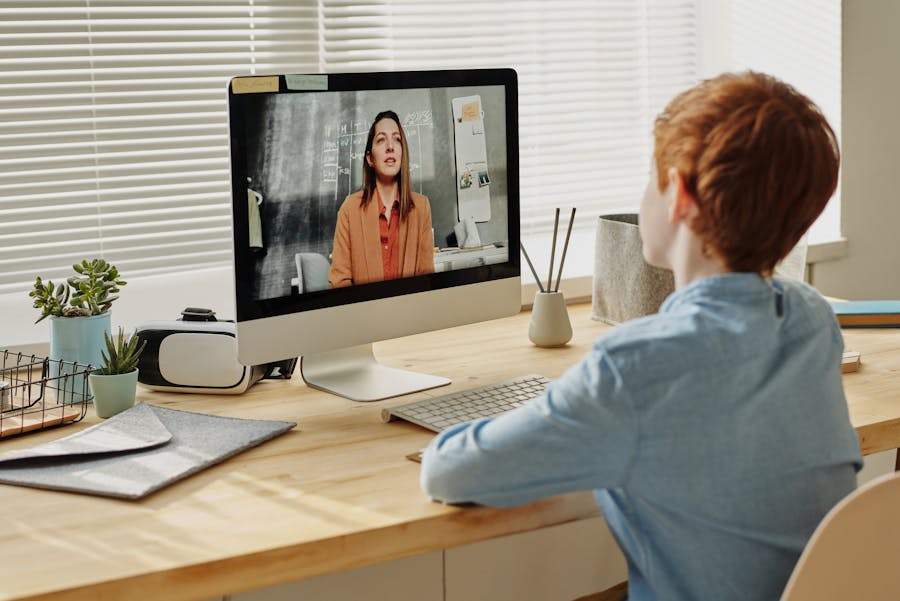
Private home tuition is one of the most common educational supports for students in Bangladesh, from primary school through university level. However, finding a qualified, reliable, and safe home tutor can be a challenge — especially in smaller upazila towns where word-of-mouth is limited and online resources are still developing.
This guide helps parents across Bangladesh find the right home tutor for their child while ensuring safety, quality, and fair pricing.
1. Why Home Tuition Is Important in Bangladesh
Bangladesh's school system, while improving significantly over the years, still faces challenges including large class sizes, limited individual attention, and varying teacher quality. As a result, private tuition has become an essential support system for most students — from SSC to HSC to university admissions coaching.
A good home tutor does more than just help with homework. The right tutor can:
- Identify and address specific learning gaps
- Provide personalised attention that classroom teachers cannot always give
- Build a student's confidence in difficult subjects
- Prepare students for exams with focused practice
- Develop good study habits and time management skills
2. Where to Find Home Tutors in Bangladesh
There are several ways to search for a home tutor in your area:
- Community platforms — Platforms like Bangladesh Family's district tuition groups connect parents with qualified tutors in specific upazilas. Posts are monitored to ensure tutors provide accurate information about their qualifications.
- School teachers and headmasters — Ask your child's school principal for recommendations. Teachers often know reliable colleagues who offer private tuition.
- University students — Students from nearby colleges and universities often provide excellent tuition at reasonable rates. They are frequently more energetic and relatable for students.
- Local mosque or community networks — Community leaders often know trusted individuals who teach in the area.
- Word of mouth from other parents — Ask parents of your child's classmates who they use. Personal recommendations are often the most reliable.
3. Key Qualifications to Check
Before hiring any tutor, verify the following credentials:
- Educational background — The tutor should have passed or be studying at a level above the subject they are teaching. For example, an HSC tutor should ideally be in university.
- Subject expertise — A maths tutor should have strong maths grades. Ask for their SSC and HSC marksheets or university transcripts.
- Teaching experience — Ask how many students they currently teach and how long they have been tutoring.
- Previous student references — A good tutor will have satisfied parents who can vouch for their effectiveness.
- Character and values — Given that tutors spend one-on-one time with children, character is as important as academic qualifications.
4. Questions to Ask Before Hiring a Home Tutor
This helps you assess if the tutor is sufficiently qualified to teach your child's level.
Too many students can affect the quality of individual attention your child receives.
Always contact at least one reference before confirming the arrangement.
The answer reveals the tutor's patience, methodology, and genuine commitment to student progress.
Confirm the number of sessions per week, session duration, and whether materials are included.
5. Fair Tuition Rates in Bangladesh (2025)
Tuition fees vary significantly by area and subject. Here is a general guide for home tuition rates in Bangladesh in 2025:
- Class 1–5 (Primary): BDT 800–1,500 per month for 4–5 sessions per week
- Class 6–8 (Junior Secondary): BDT 1,200–2,500 per month
- Class 9–10 (SSC level): BDT 1,500–4,000 per month
- Class 11–12 (HSC level): BDT 2,000–5,000 per month
- University/Admission coaching: BDT 2,500–8,000+ per month
- English or Maths specialist tutors: Rates may be 20–40% higher
Rates are generally higher in Dhaka, Chattogram, and Sylhet than in smaller district towns. Always agree on a clear fee structure before sessions begin.
6. Safety Guidelines for Parents
When a tutor comes to your home or your child goes to the tutor's home, safety is paramount:
- For young children, always have an adult family member present during the first few sessions at minimum
- If your child goes to the tutor's home, verify the home address and confirm with neighbours if possible
- Keep the tutor's NID (National ID) copy or photocopy
- Regularly ask your child about how sessions are going and whether they feel comfortable
- Trust your child if they express discomfort about a tutor — never dismiss such concerns
7. Monitoring Your Child's Progress
Hiring a tutor is just the beginning. Regular monitoring ensures the tuition is actually effective:
- Set clear goals with the tutor at the start (e.g., "improve maths grade from D to B by SSC")
- Review your child's exercise books and notebooks weekly
- Speak with the tutor monthly to get progress updates
- Check your child's exam and test scores to see if improvement is happening
- Ask your child if they feel the sessions are helpful and enjoyable
Final Thoughts
A good home tutor can make a transformative difference in a child's education. The key is taking time to find the right person — someone with the right qualifications, the right temperament, and a genuine commitment to your child's learning.
Bangladesh Family's upazila-level tuition community groups make it easier for parents to find qualified tutors who are already known and trusted within your local community.